Increased Engagement Through Bizarre College Clubs

“Friendship Formation Is Task No. 1” — Why Student Engagement Starts With Connection

USA Today reported what most campus leaders already know in their gut: students who are more involved outside the classroom are more successful inside the classroom, too.

“College experts say students who participate in extracurricular activities are more engaged in the college experience, and benefits can be seen both in and outside the classroom.”

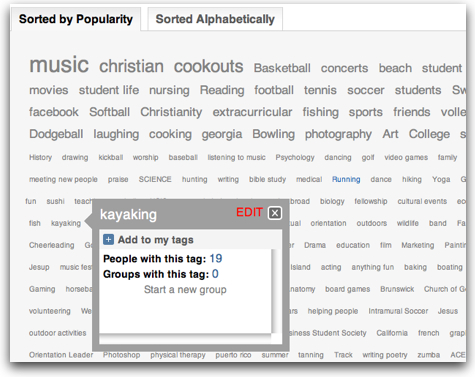
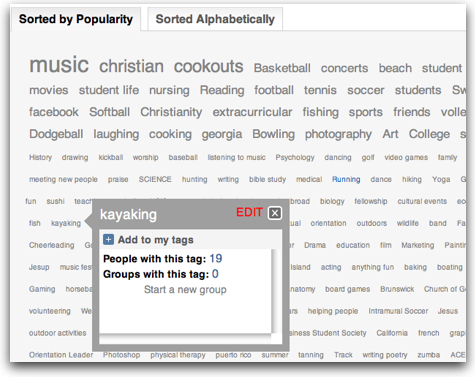
No surprise there. But what caught my attention wasn’t just the emphasis on co-curricular involvement, it was where that involvement was happening. Not just in formal clubs like Chess or German, but in the wonderfully weird corners of student interest. Think: Michigan’s Squirrel Watching Club or Harvard’s Rubik’s Cube Society.

These niche groups, the long tail of student engagement, are more than just curiosities. They’re connection incubators.

Connection > Club Size

When a student finds “their people” over a shared but specific interest, it’s like engagement rocket fuel. Because they’re not just showing up to an activity, they’re showing up to belong. And in Dance Floor Theory™, that’s the heartbeat of engagement.

As John Gardner, president of the John N. Gardner Institute for Excellence in Undergraduate Education, put it:

“Friendship formation is task No. 1 for most students. If you don’t make friends, you’re lonely, you’re anxious, you feel sort of adrift.”

What if we treated engagement less like program attendance and more like connection acceleration?

From Gatekeepers to Connectors

This is where many student life professionals hit a wall. More student groups often means more forms, more approvals, more registrations to track. And sure, structure has its place. But when the engagement goal is human connection, structure needs to serve flexibility, not bury it.

That’s why in Dance Floor Theory™, we teach that the role of student affairs isn’t just to manage involvement, it’s to facilitate connection.

Imagine this approach:

  • A student walks into your office interested in canoeing.

  • Instead of asking them to fill out a New Org Registration Form, you say:

    “You know who else loves white water canoeing? Randy. Let me connect you two.”

Now you’ve created a micro-community before a club even exists. You’ve skipped the paperwork and gone straight to the point, building a Culture of Connection™.

The Power of the Long Tail

When students are encouraged to self-organize around their passions, no matter how obscure, engagement increases. Not because the group is big. But because it’s theirs.

These student-led micro-groups:

  • Give students a sense of ownership

  • Build bonds based on authentic interests

  • Reduce loneliness and increase belonging

  • Create stickier, more resilient social networks

And most importantly: they help students move up the Engagement Pyramid. Because once a student finds belonging at Level 1 or 2 (“Hmm, what’s in it for me?”), it’s easier to invite them into deeper involvement, even leadership, down the line.

Practical Steps for Leaders

If you want to increase student engagement in a way that actually works, try this:

  • Be a connector, not a controller
    Ditch the clipboards. Start the conversations.

  • Celebrate the weird
    The most valuable engagement often hides in the quirkiest corners.

  • Use micro-actions to spark movement
    Don’t wait for students to fill out forms. Ask, “Have you met so-and-so?” and make the intro.

  • Track connection, not just attendance
    Success isn’t how many clubs you’ve approved. It’s how many students feel known and plugged in.


Final Thought: Connection Before Control

When students say “this is my place,” they don’t mean the campus. They mean the people.

So if you want higher GPAs, better retention, and fewer students “adrift,” start by focusing less on club rosters and more on human relationships.

Because in the end, engagement isn’t about counting attendees, it’s about creating belonging.

Liked what you've read? Share it with your friends

Facebook
Twitter
LinkedIn
Email

Want to know how engaged your team really is?

Take our free Dance Floor Theory™ Quiz to find out where your culture stands, and how to improve it.

Real leadership insights, no corporate fluff.

Join 15,000+ leaders who get our best ideas, once a week.

Enter their information

This website uses cookies to ensure you get the best experience on our website.